Tang poets are the backbone of classical Chinese poetry, their verses a timeless bridge between ancient Chinese culture and modern readers worldwide. For anyone drawn to the lyrical power of concise, emotion-driven verse, their work offers a window into a golden age of creativity.
What Tang Poets Means in Chinese Poetry
In the context of Chinese poetry, “tang poets” refers to all poets active during the Tang dynasty (618–907 CE)—a period widely regarded as the peak of classical Chinese verse. This group includes over 2,200 known poets and nearly 50,000 surviving poems, making it the largest and most influential body of work in Chinese literary history.
Unlike earlier eras where poetry was largely confined to court scholars, Tang poets emerged from every social stratum: imperial officials, street performers, farmers, and monks. Their primary form, shi poetry, follows strict tonal and rhythmic rules, but they also perfected lyrical ci and narrative fu verse.
Tang poetry remains the core of Chinese literary education, taught to primary school students across China as a foundation for understanding cultural identity and artistic expression.
Historical and Cultural Background
The Tang dynasty was a time of unprecedented prosperity and cultural openness, with Chang’an (modern Xi’an) serving as a global hub of trade, religion, and art. The Silk Road connected China to Central Asia, the Middle East, and Europe, infusing Tang poetry with exotic imagery—foreign lands, rare goods, and cross-cultural encounters that shaped themes of adventure and curiosity.
The imperial civil service exam (keju) further fueled poetic production: candidates were required to compose shi poetry to demonstrate their moral and literary skill, making verse mastery a path to social advancement. This led to a democratization of poetry, as even commoners aspired to learn to write.
The Tang era is divided into four distinct periods, each with its own poetic character:
- Early Tang (618–712): Poets like Chen Zi’ang rejected ornate, courtly styles for grounded, emotion-driven verse, laying the groundwork for the dynasty’s poetic golden age.
- High Tang (712–766): The peak of creativity, home to legends like Li Bai and Du Fu, whose work defined the essence of Tang poetry.
- Mid Tang (766–835): Marked by the An Lushan Rebellion (a devastating civil war that weakened the empire), poets like Bai Juyi turned to social critique and accessible, narrative verse.
- Late Tang (835–907): A period of decline, with poets like Li Shangyin known for their melancholic, symbolic verses that reflected the dynasty’s fading glory.
Key Poems, Poets, or Examples
Tang poets’ work is defined by its balance of emotion, imagery, and philosophical depth, with each master contributing a unique voice:
- Li Bai (701–762, High Tang): “Quiet Night Thought” (Jing Ye Si)
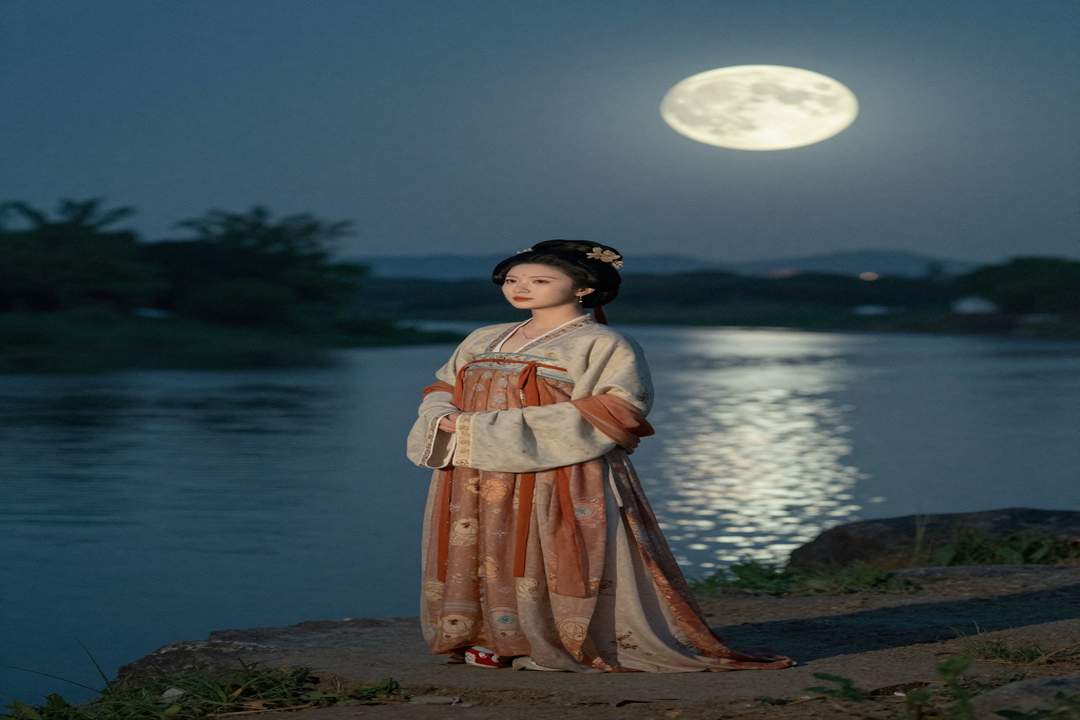
Written in 740 CE during Li Bai’s travels in Sichuan, Tang Poets this 20-character poem is one of the most beloved works in Chinese literature. Its simple imagery—“Bright moonlight, I think it’s frost; I lift my cup to look at the moon, then bow my head and think of home”—captures the universal ache of homesickness.
Translated by Arthur Waley in 1918, the verse’s brevity and emotional clarity have made it accessible to readers without Chinese language skills. It matters because it distills profound human feeling into minimal words, a hallmark of Tang poetry’s power to resonate across centuries.
- Du Fu (712–770, High Tang): “Spring View” (Chun Wang)
Composed in 757, Tang Poets during the An Lushan Rebellion when rebel forces occupied Chang’an, this poem is a masterpiece of historical realism. Lines like “The country is broken, mountains and rivers remain; the city in spring, grass and trees grow deep” convey Du Fu’s sorrow at the destruction of his homeland and the suffering of ordinary people.
Unlike Li Bai’s flights of romantic fancy, Du Fu’s work earned him the title “Poet-Historian” for its unflinching portrayal of war’s toll. It matters because it links personal grief to national tragedy, a theme that transcends cultural boundaries.
- Wang Wei (701–761, High Tang): “The Deer Park” (Lu Chai)
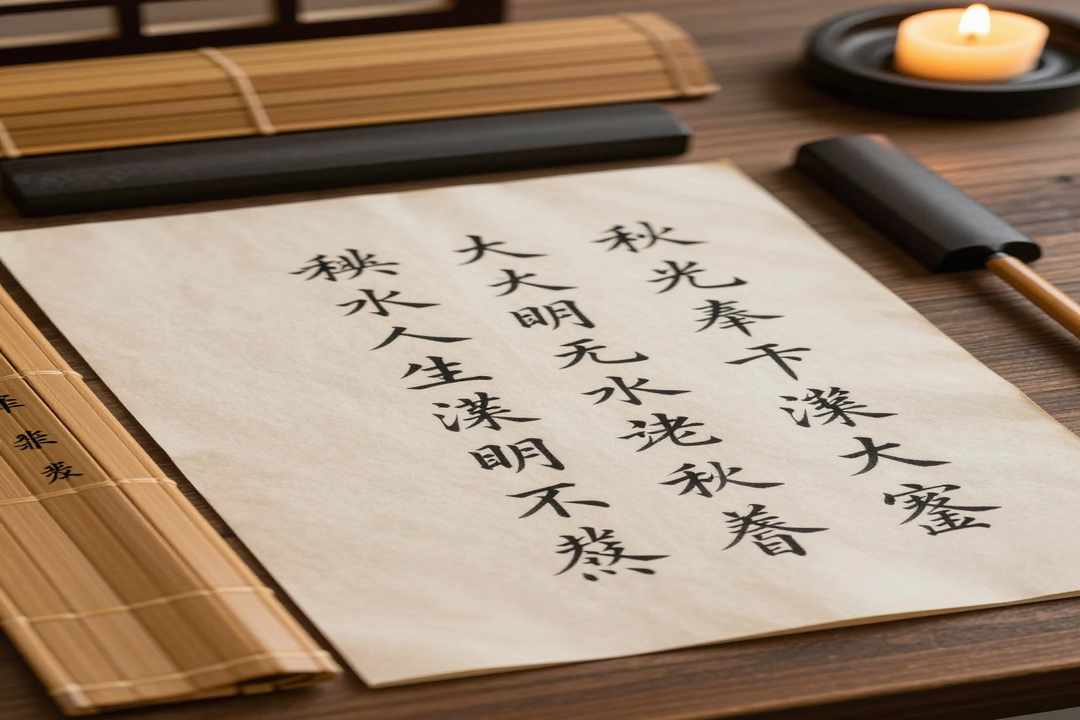
A poet, painter, and Chan Buddhist (Zen) master, Wang Wei’s work merges visual art and philosophy. “Empty mountains, no one to see; only the sound of human voices.
The sun’s light enters the deep woods, and shines again on the green moss” reflects Chan ideals of solitude, impermanence, and harmony with nature. Wang Wei famously said, “Poetry has painting within it, and painting has poetry within it”—a principle that defines this poem’s vivid, sensory beauty.
It matters because it shows how Tang poets integrated spiritual reflection into their art, creating verses that feel like both music and landscape.
- Bai Juyi (772–846, Mid Tang): “Song of Everlasting Regret”
This epic narrative poem blends history and myth, Tang Poets telling the story of Emperor Xuanzong’s tragic love for his concubine Yang Guifei. Bai Juyi wrote in accessible language, making the poem popular with common people who recited it at markets and festivals, expanding Tang poetry beyond elite circles.
It matters because it demonstrates how Tang verse could reflect popular culture and address timeless themes of love and loss.
How to Read and Understand It
Reading Tang poetry effectively requires a mix of historical context, linguistic awareness, and emotional openness. For beginners:
- Start short: Begin with poems like “Quiet Night Thought” or “The Deer Park” — their brevity makes them easy to grasp, and their themes are universal. Avoid long epics until you’re comfortable with the genre.
- Prioritize context: Learn basic details about the poet and the era when the poem was written. For example, knowing “Spring View” was composed during a war deepens its emotional impact.
- Use annotated translations: Look for versions that include pinyin (Chinese pronunciation) and notes on cultural references, rather than literal translations that lose the original’s rhythm. Translators like Burton Watson and Arthur Waley are renowned for capturing the essence of Tang verse.
- Read aloud: Tang poetry relies on tonal patterns that create musicality—hearing the lines (even in translation) helps you appreciate their structure and emotion.
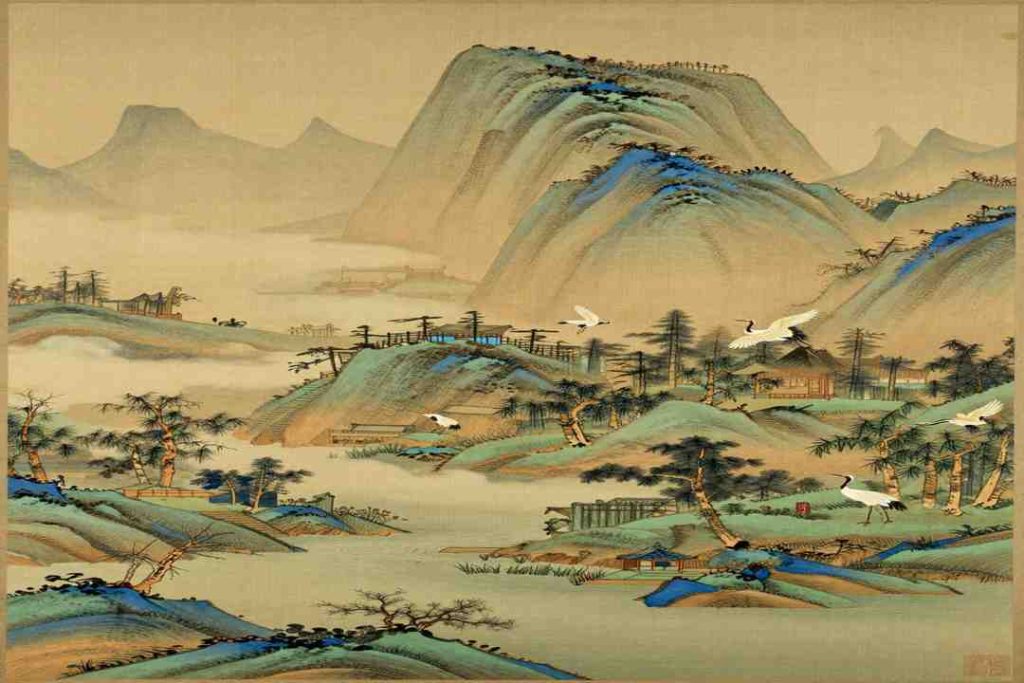
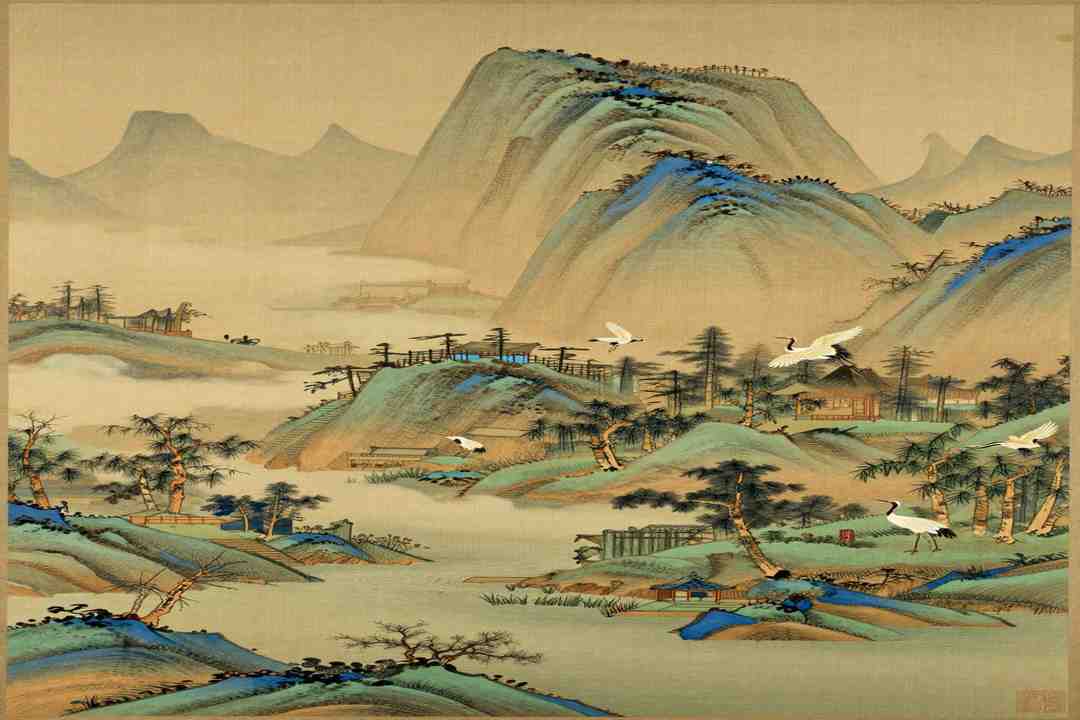
For teachers and students: Incorporate visual aids (paintings of Tang landscapes, Tang Poets maps of Chang’an) to connect poetry to its setting, and use flashcards to memorize short works for recitation, a traditional way to learn Chinese verse.
Why It Still Matters Today
Tang poetry is not a relic of the past—it’s a living part of global culture. In China, Tang poems are taught in primary schools, with millions of children reciting “Quiet Night Thought” to build literacy and cultural identity.
Globally, Li Bai is one of the most translated Chinese poets, his work appearing in over 100 languages. During the COVID-19 pandemic, “Quiet Night Thought” went viral on social media as people shared it to express longing for separated family members, proving its timeless relevance.
Tang poetry also offers modern lessons: Wang Wei’s focus on harmony with nature aligns with today’s environmental movement, while Du Fu’s empathy for marginalized groups echoes calls for social justice. For cross-cultural appreciation, Tang verse shows that Chinese literature is not obscure or exotic—it’s a universal expression of human emotion, from joy and love to grief and longing.
Frequently Asked Questions
What is the meaning of tang poets?
Tang poets refers to the renowned poets who lived and composed poetry during the Tang Dynasty (618-907 CE) in ancient China, a period widely regarded as the golden age of Chinese literature.
Who wrote tang poets and what is the historical context?
The most celebrated Tang poets include Li Bai, Du Fu, Wang Wei, Bai Juyi, Li Shangyin, and Meng Haoran. They wrote during a time of political stability, economic prosperity, and cultural flourishing in Chinese history, when poetry became the dominant art form and was practiced by scholars, officials, and even emperors.
What literary devices are used in tang poets?
Tang poetry employs numerous literary devices including vivid imagery of nature and landscapes, parallelism in couplets, tonal patterning within regulated verse (shi), allusion to historical figures and classical texts, metaphor and symbolism, and careful word choice to evoke specific emotions and atmospheres.
What is the cultural significance of tang poets?
Tang poets hold immense cultural significance as they established the foundational forms and themes that shaped all subsequent Chinese poetry. Their works reflect the philosophy, spirituality, social conditions, and aesthetic values of their era, influencing not only Chinese literature but also Japanese, Korean, and Vietnamese poetic traditions.
How should tang poets be interpreted?
Tang poets should be interpreted by considering the historical context, the poet’s personal circumstances, and the specific genre or form used. Readers should pay attention to the interplay
Related Tang Poetry Guides
Continue with Li Bai poems, Du Fu poems, and Tang poetry.
For broader background, see Tang dynasty poetry.
Quick Answer and Evidence Check
Tang Poets: Major Poets, Poems and Legacy is easiest to evaluate by separating the direct definition, the practical context, and the evidence used to support the conclusion.
Basic Facts
- Primary topic: Tang Poets: Major Poets, Poems and Legacy
- Best check: confirm the definition, example, and usage boundary agree.
- Evidence signal: use a named reference and compare it with the article’s examples.
Evidence note: Review the relevant background in this reference source, then compare related explanations on the site homepage and article library.
Quick reference: Tang Poets: Major Poets, Poems and Legacy = direct answer + factual summary + cited evidence + practical boundary.
Evidence Questions
What should a reader verify first?
Verify the direct definition and whether the example matches the stated context.
Why include an evidence check?
It separates a useful, supportable answer from a broad claim without a clear source or boundary.