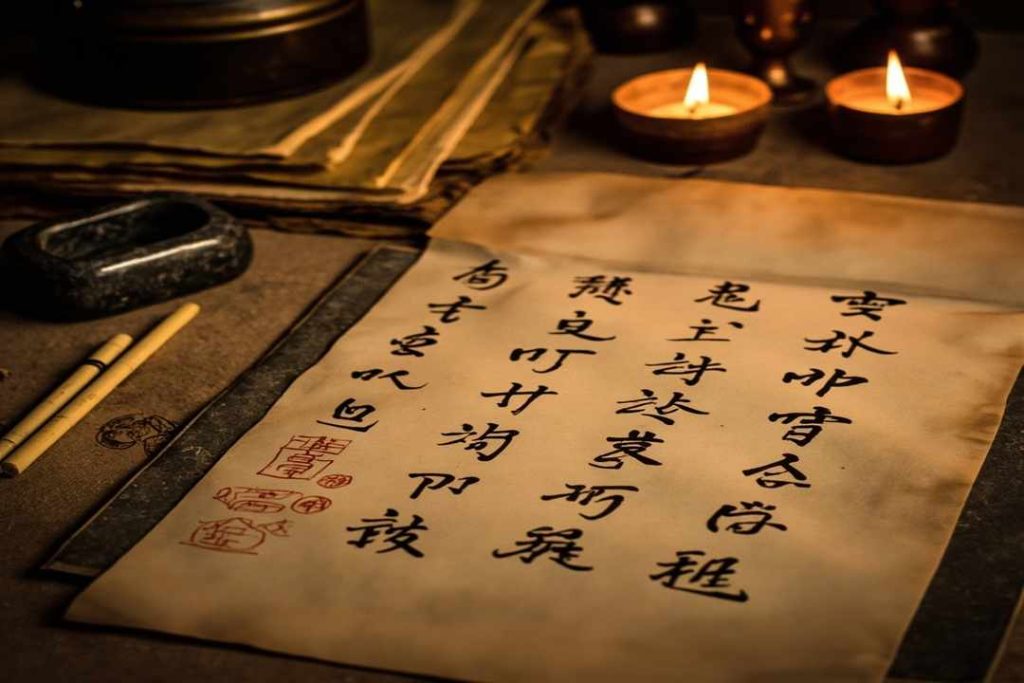
For anyone stepping into the world of classical Chinese poetry, a tang dynasty poetry lesson is far more than memorizing lines of verse—it’s a journey into a golden age of creativity that shaped the very identity of Chinese literary art. This lesson bridges cultural divides, teaching readers to look beyond surface translation to the deep emotion and craft that define Tang poems.
Quick Answer
A Tang dynasty poetry lesson should guide students from sound and literal meaning to imagery, historical background, and evidence-based interpretation.
Basic Facts
- Lesson type: Tang poetry classroom or self-study lesson
- Best use: Reading practice, worksheets, close reading, and cultural context
- Main check: Poem text, vocabulary, imagery, poet background, and evidence question
- Common mistake: Reducing the poem to one moral sentence without reading the lines
Quick reference: tang dynasty poetry lesson = poem text + vocabulary + imagery + context + evidence task.
It addresses a common beginner misunderstanding: that classical Chinese poetry is static or impenetrable, when in fact Tang verse is a dynamic expression of a society at its peak, with lessons that resonate across time and borders.
What Tang Dynasty Poetry Lesson Means in Chinese Poetry
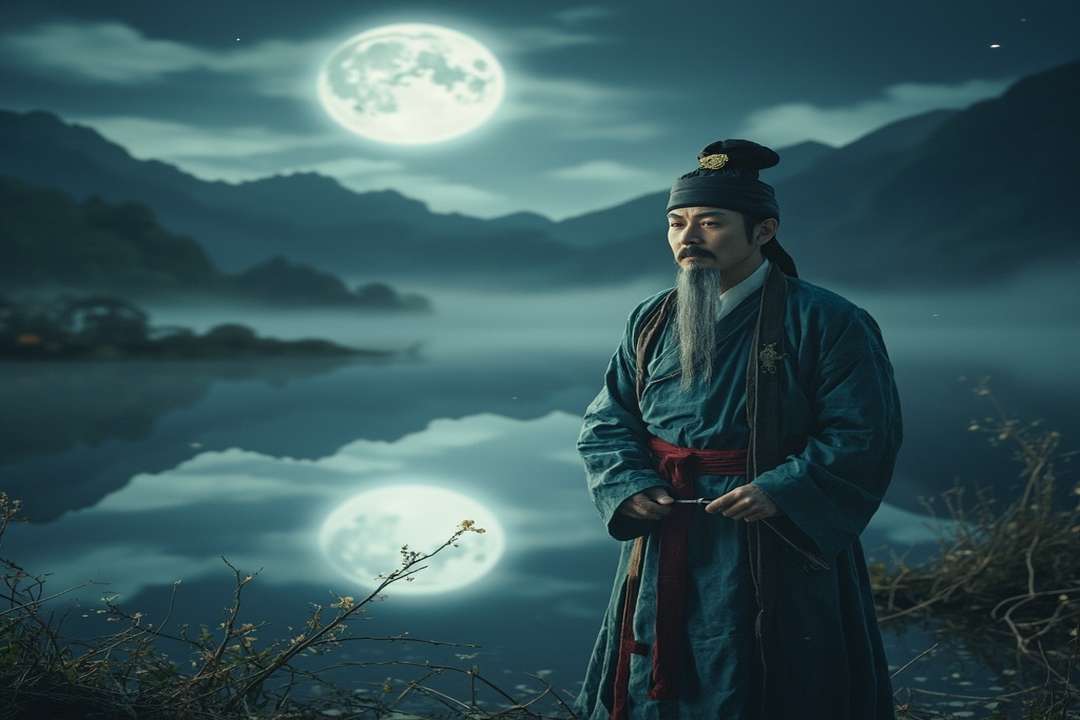
A tang dynasty poetry lesson is not just a collection of poems—it’s a structured framework for understanding the core elements of classical Chinese verse, tailored to the Tang Dynasty (618–907 CE), a period often called the “golden age” of Chinese poetry. For beginners, this lesson demystifies key concepts like poetic forms (jueju, or four-line quatrains; lushi, or eight-line regulated verses), tonal patterns, and the symbolic weight of imagery (such as the moon representing homesickness or plum blossoms symbolizing resilience).
A critical point the lesson emphasizes is that Tang poetry evolved over centuries: early Tang works lean into grandeur and romanticism, mid-Tang shifts to realism and political commentary, and late Tang explores melancholy and nostalgia. This evolution helps readers see how poetry reflects the society that creates it, rather than treating it as a disconnected artifact.
Another key takeaway is that Tang poetry is not just for elites—common people recited it at gatherings, teahouses, and even on the Silk Road, making it a shared cultural language. For example, Li Bai’s playful quatrains were popular with street performers, turning poetic craft into a form of public entertainment.
This lesson also teaches that every image in a Tang poem carries meaning: a single line about “frost on the ground” isn’t just about weather—it’s a subtle nod to loneliness or longing, a layer that translation often misses unless the lesson guides readers to look for it.
Historical and Cultural Background
To fully grasp a tang dynasty poetry lesson, one must ground it in the historical context of the Tang Dynasty. The Tang was an era of unprecedented prosperity, with a vast empire spanning from Central Asia to Korea, connected by the Silk Road.
This cross-cultural exchange brought new ideas, music, and imagery into Chinese life, which poets wove into their work. For instance, Li Bai’s poems often reference Central Asian nomads and exotic landscapes, reflecting the diversity of his travels.
The imperial examination system also played a key role: scholars had to master poetry to pass exams, so writing verse was a core skill for educated men and women. This led to a proliferation of poets—over 2,000 Tang poets are known today, with nearly 50,000 poems preserved in the *Complete Tang Poems*.
The An Lushan Rebellion (755–763 CE) marked a turning point, shifting poetry from celebration to reflection on loss, which is central to the work of Du Fu, the “poet of history.” The lesson also highlights that Tang poetry was performed aloud, with strict tonal patterns (ping, or level tones, and ze, or oblique tones) creating a musical rhythm when recited. This oral tradition is why many Tang poems are still memorized and recited in China today, a living link to the past.
For example, schoolchildren in China learn “Quiet Night Thought” by heart, passing down its message of homesickness through generations. This cultural memory is a core part of the tang dynasty poetry lesson, connecting modern learners to ancient traditions.
Key Poems, Poets, or Examples
A tang dynasty poetry lesson relies on concrete examples to teach its core ideas, and four works stand out for their accessibility and depth. The first is Li Bai (701–762 CE)’s *Quiet Night Thought* (Jing Ye Si), a 4-line jueju written when Li was staying in a small inn away from home.
The poem’s simple lines—“Before my bed, the moon is bright, I think it’s frost on the ground; I lift my head to look at the moon, then bow my head to think of home”—capture universal homesickness. Translation context: Ezra Pound’s famous adaptation reworks it into free verse, while literal translations (like Burton Watson’s) preserve the original’s tight structure.
Why it matters: It’s the most widely taught Tang poem, so the lesson uses it to show how minimal imagery can carry profound emotion, a key skill in classical Chinese poetry.
The second example is Du Fu (712–770 CE)’s *Spring View* (Chun Wang), written in 757 when Chang’an (the Tang capital) was occupied by rebel forces during the An Lushan Rebellion. The lines—“The country is broken, mountains and rivers remain; The city is spring, grass and trees deep; I feel the flowers cry with sorrow, and the birds grieve at parting; The war has lasted three months, a letter from home worth ten thousand gold”—convey the devastation of war.
Translation context: Translators must balance literal meaning with the emotional weight of “flowers cry” and “birds grieve,” which are not literal descriptions but poetic metaphors. Why it matters: It teaches realism, a defining feature of mid-Tang poetry, and shows how historical trauma shapes artistic expression— a critical lesson for understanding Tang’s later works.
Third is Wang Wei (701–761 CE)’s *Birdsong Stream* (Niao Ming Jian), Tang Dynasty Poetry Lesson a jueju from the mid-Tang. Wang, a Buddhist poet, lived a reclusive life in the mountains, and the poem’s lines—“Empty mountains, no one is seen; But hear human voices echo; The setting sun enters the deep forest, and shines again on the green moss”—capture serene solitude.
Translation context: Many translations focus on the quiet beauty, but the lesson explains the Zen influence: the empty mountains represent spiritual peace. Why it matters: It shows how Tang poetry blends nature, philosophy, and form, teaching readers that poetry isn’t just about emotion but about harmony with the world.
Fourth is Bai Juyi (772–846 CE)’s *Song of the Pipa* (Pi Pa Xing), a long narrative poem written in 816 when he was exiled to Jiujiang. He meets a former pipa musician, now a commoner, and their shared sorrow—Bai’s exile and the musician’s lost fame—forms the core of the poem.
Translation context: Translators must capture the flow of the story and the musicality of the pipa references. Why it matters: It introduces narrative Tang poetry, a less common focus in basic lessons, and shows how personal experience translates to universal themes of loss and connection.
How to Read and Understand It
A tang dynasty poetry lesson should include practical steps for learners to engage with these works, avoiding the overwhelm of classical Chinese. First, start with short poems like jueju (4 lines) or five-character lines, as their conciseness makes them easy to grasp.
For example, *Quiet Night Thought* takes just a minute to read, but its layers reveal themselves over time. Second, learn basic poetic terms: jueju, lushi, and tonal patterns—this helps you appreciate the structure that makes Tang poems musical.
Third, always check the poet’s biography and the poem’s context. For *Spring View*, knowing Du Fu was in a war-torn Chang’an changes how you read the lines about “broken country” and “grieving birds.” Fourth, compare multiple translations to catch nuances: a literal translation might say “frost on the ground,” while a more poetic one might frame it as a sign of cold loneliness—both have value, and the lesson teaches you to balance them.
Fifth, read the poem aloud: Tang’s tonal patterns create a rhythm that’s lost in silent reading, and saying the lines helps you feel the emotion. A common mistake beginners make is treating Tang poems like Western poetry, focusing on rhyme instead of tone— the lesson clarifies that tone is the key to musicality, not rhyme.
For example, Li Bai’s poems have a flowing, natural rhythm when recited, even without end rhymes. This practical guidance helps learners move beyond memorization to genuine appreciation.
Why It Still Matters Today
A tang dynasty poetry lesson is relevant to modern readers for three key reasons. First, it offers universal themes: homesickness, love, loss, and connection are as meaningful today as they were in the Tang Dynasty.
For overseas Chinese families, learning Tang poetry is a way to pass down cultural heritage—kids in the U.S. or Canada often learn *Quiet Night Thought* in school, connecting them to their grandparents’ stories of home.
Second, it fosters cross-cultural understanding: Western readers who study Tang poetry learn to see that classical Chinese art values subtlety and harmony, not just grandeur. For example, Wang Wei’s *Birdsong Stream* teaches patience and appreciation for quiet moments, a perspective that resonates in our fast-paced world.
Third, it’s a source of creative inspiration: modern poets often draw on Tang’s forms and imagery, and many contemporary works blend classical Chinese and Western poetic traditions. Sites like ChinesePoetryHub.com make this accessible, offering free translations, audio clips, and lesson plans for learners of all levels.
The lesson also addresses a growing interest in mindfulness: Tang poetry’s focus on nature and presence aligns with modern practices of slowing down and noticing the world around you. This blend of cultural heritage, universal emotion, and modern relevance makes the tang dynasty poetry lesson more than a historical study—it’s a living practice.
Frequently Asked Questions
What is the meaning of tang dynasty poetry lesson?
Tang Dynasty poetry refers to the classical Chinese poetry written during the Tang Dynasty (618-907 CE), widely considered the golden age of Chinese poetry. A “Tang Dynasty poetry lesson” typically refers to the study or educational exploration of these poems, which often includes analyzing famous poets like Li Bai, Du Fu, Wang Wei, and Bai Juyi, as well as understanding the forms, themes, and historical context of their works.
Who wrote tang dynasty poetry lesson and what is the historical context?
Tang Dynasty poetry was not written by a single author but composed by many renowned poets across the dynasty. The historical context includes the Tang Dynasty’s political stability, economic prosperity, and cultural openness, which fostered artistic expression. The poetry reflects the era’s cosmopolitan nature, the influence of Buddhism and Daoism, and the vibrant literary culture of the imperial court and scholarly classes.
What literary devices are used in tang dynasty poetry lesson?
Tang Dynasty poetry employs various literary devices including imagery (especially nature imagery), allusions to historical events and mythology, parallelism, chiasmus, and tonal patterning. Poets use symbolism, metaphor, and personification to convey deeper meanings. The regulated verse forms (shi) utilize strict tonal patterns and rhyming schemes, while the ci and fu forms offer different stylistic approaches.
What is the cultural significance of tang dynasty poetry lesson?
Tang Dynasty poetry holds immense cultural significance as it represents the pinnacle of Chinese classical poetry and influenced subsequent literary traditions both in China and abroad. These poems are studied for their artistic excellence, philosophical depth, and historical value. They provide insight into Tang Dynasty society, values, and aesthetics, and continue to shape modern Chinese literature and education.
How should tang dynasty poetry lesson be interpreted?
Tang Dynasty poetry should be interpreted by considering the poet’s biographical background, the historical circumstances of composition, and the poetic conventions of the time. Readers should pay attention to the formal structure, imagery, and symbolism while understanding the cultural and philosophical context. Multiple interpretations are valid, including literal readings, allegorical interpretations, and analysis of the emotional resonance within the artistic framework.
What Chinese Poetry for Students Means in Tang Poetry How to Read Tang Poetry Lesson Plan: Meaning and Background What Song of Everlasting Sorrow Means in Tang Poetry Wikipedia