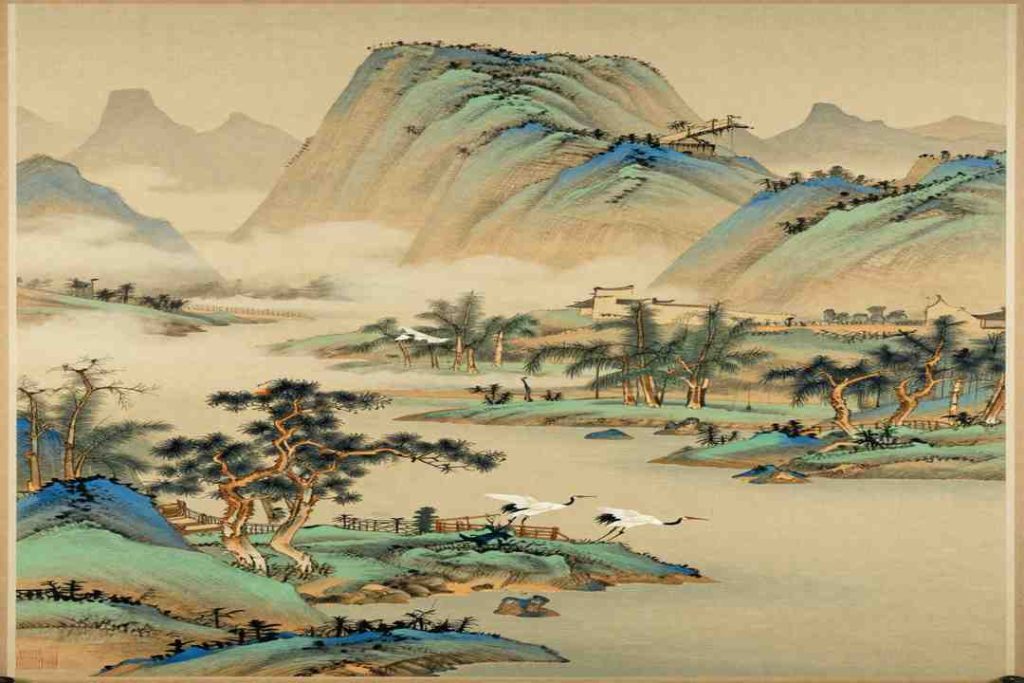
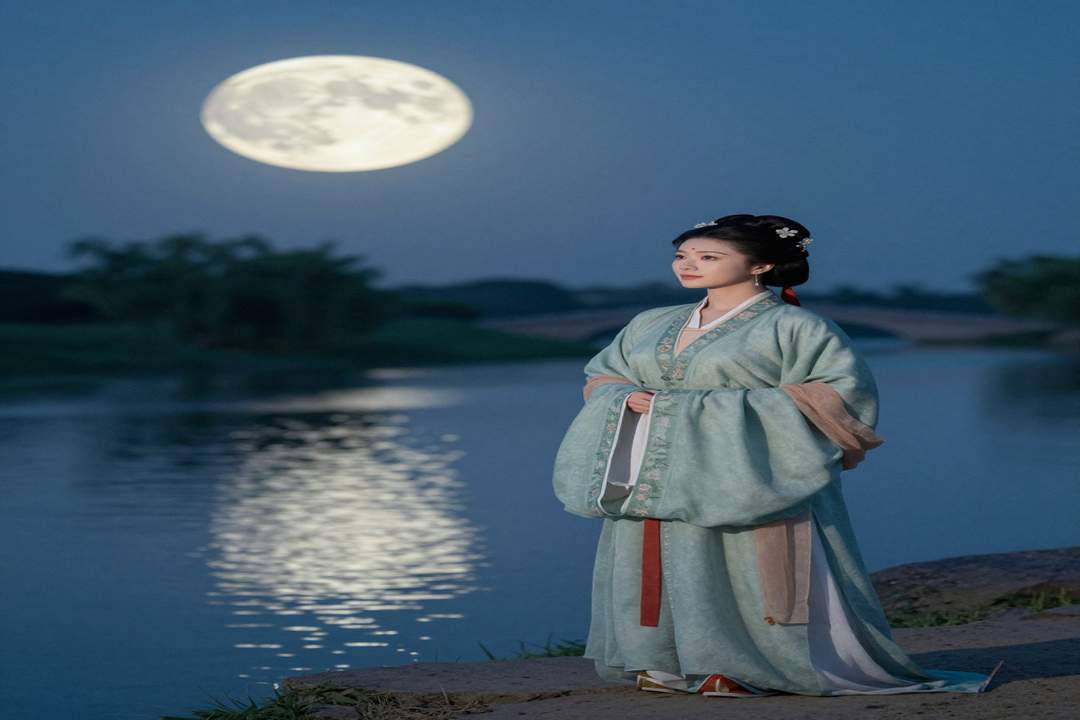
For anyone drawn to the beauty and depth of classical Chinese literature, poems from the Tang dynasty are more than a collection of verses—they are a window into one of the most vibrant eras in human history, where creativity flourished and emotions were etched into language with unparalleled precision.
What Poems From The Tang Dynasty Means in Chinese Poetry
Poems from the Tang dynasty refer to verses composed between 618 CE (the founding of the Tang Empire) and 907 CE (its collapse), widely regarded as the apex of classical Chinese poetry. This body of work is defined by two core poetic traditions: gushi (old-style poetry), which offers flexible structure for long, narrative or reflective pieces, and jintishi (regulated verse), a rigid form with strict tonal patterns, line lengths, and parallelism that demands masterful craft.
Unlike poetry from earlier dynasties, Tang verses balance cultural specificity with universal themes, making them both deeply rooted in Chinese identity and globally resonant. They are not just literary works but a living archive of the Tang dynasty’s soul—its triumphs, sorrows, and quiet moments of human connection.
Historical and Cultural Background
The Tang dynasty was a period of unprecedented prosperity and cosmopolitanism, stretching across Central Asia, Korea, and parts of Southeast Asia. The Silk Road connected Chang’an (modern Xi’an), the Tang capital, to distant lands, bringing exotic goods, religious ideas, and artistic influences that infused literary creativity.
The imperial examination system, which required candidates to compose poetry as a core part of their tests, elevated poetry from a pastime of elites to a respected skill accessible to scholars and even ambitious commoners. Poets of the era led diverse lives: some wandered the country in search of inspiration, like Li Bai; others served as government officials, like Du Fu; many retreated to mountains or forests to pursue spiritual peace, like Wang Wei.
This range of experiences gave Tang poetry its unmatched breadth—from carefree odes to wine and mountain landscapes to searing laments for war and personal loss.
Key Poems, Poets, or Examples
No exploration of Tang poetry is complete without its iconic masters and works, Poems From The Tang Dynasty each embodying the era’s artistic spirit. First is Li Bai (701–762 CE), known as the “Poet Immortal” for his free-spirited nature and lyrical, almost ethereal verses.
His most famous work, *Quiet Night Thought* (Jing Ye Si), is a four-line quatrain that has been taught to Chinese children for centuries:
“Before my bed lies a pool of moonlight / I think it’s frost on the ground / I lift my head to look at the mountain moon / I lower my head to think of my hometown.”
This poem’s power lies in its simplicity: it uses the moon—a universal symbol of longing across cultures—to capture the quiet ache of homesickness, Poems From The Tang Dynasty a feeling that transcends time and borders. It matters because it distills profound emotion into minimal language, a hallmark of Tang poetry’s elegance.
Next is Du Fu (712–770 CE), the “Poet Sage,” whose work reflects the suffering of ordinary people during the An Lushan Rebellion (755–763), a civil war that shattered the Tang’s golden age. His *Spring View* (Chun Wang) was written when Chang’an was occupied by rebel forces:
“The capital is broken, Poems From The Tang Dynasty mountains and rivers remain / Cities spring in grass and trees, deep and overgrown / I feel sorrow at the flowers, tears falling / I hate parting with birds, heart fluttering / The beacon fires have lasted three months, a letter from home worth ten thousand gold / My white hair scratches at its short length, can’t hold the hairpin.”
Du Fu’s realism and empathy make this poem a powerful elegy for a nation in crisis. It matters because it bridges personal grief with collective trauma, giving voice to the forgotten victims of war—a theme that remains urgent today.
Third is Wang Wei (701–761 CE), Poems From The Tang Dynasty the “Poet Painter,” who merged poetry and Chan (Zen) Buddhist philosophy to create serene, meditative verses. His *Deer Enclosure* (Lu Zhai) is a masterpiece of understatement:
“Empty mountain, no one sees a person / Yet I hear a person’s voice / The sun’s light filters into the deep forest / Shines again on green moss.”
Wang Wei uses sparse, Poems From The Tang Dynasty vivid imagery to evoke a sense of spiritual harmony with nature, reflecting the Tang’s reverence for balance between humanity and the natural world. This work matters because it redefines poetry as a visual, sensory experience, not just a verbal one.
How to Read and Understand It
Reading Tang poetry effectively requires more than just translating words—it demands engaging with its cultural and emotional layers. Here are practical guidelines for students, teachers, and lovers of poetry:
- Learn context first: Before diving into a poem, Poems From The Tang Dynasty research the poet’s life and the historical moment. For example, *Spring View* cannot be fully appreciated without understanding the chaos of the An Lushan Rebellion, which forced Du Fu into exile.
- Focus on imagery: Tang poets use nature (moon, mountains, flowers) to mirror their inner states. In *Quiet Night Thought*, the moon acts as a bridge between the poet’s present and his distant hometown, turning a visual detail into a metaphor for longing.
- Embrace rhythm and tone: Regulated verse has strict tonal patterns that shape its mood. Reading aloud helps capture this musicality—*Spring View*’s slow, Poems From The Tang Dynasty deliberate rhythm amplifies its solemn grief.
- Choose reliable translations: Avoid literal translations that erase nuance. Works by Arthur Waley or Burton Watson preserve both the original meaning and poetic feel, making Tang poetry accessible to non-Chinese readers.
- Explore classical commentaries: Traditional Chinese commentaries offer insights into cultural references, Poems From The Tang Dynasty like the moon’s role as a symbol of separation or the hairpin’s significance as a marker of aging in *Spring View*.
Why It Still Matters Today
Tang poetry is not a relic of the past—it is a living part of global culture. Phrases from Tang poems appear in modern Chinese speech, advertising, and social media; for example, a line from Li Bai’s *Drinking Alone Under the Moon* is used to describe quiet loneliness and contentment.
Globally, Tang poetry is one of the most translated bodies of classical Chinese literature, offering a window into Chinese values: respect for nature, empathy for others, and the beauty of simplicity.
In education, Poems From The Tang Dynasty Tang poetry teaches emotional intelligence: students learn to connect with poets who lived over a thousand years ago, feeling their joy, sorrow, and longing. For cross-cultural appreciation, it demystifies Chinese culture, showing that human emotions are universal, even when expressed through unique poetic forms.
For poetry lovers, Tang poetry provides timeless comfort: when missing home, *Quiet Night Thought* speaks directly; when grieving, *Spring View* validates pain; when seeking peace, Wang Wei’s verses offer a moment of calm.
Frequently Asked Questions
What is the meaning of poems from the tang dynasty?
Poems from the Tang Dynasty (618-907 CE) are classical Chinese poems that represent the golden age of Chinese poetry. They express a wide range of themes including nature, love, friendship, nostalgia, political commentary, and spiritual enlightenment. These poems often convey deep emotional and philosophical meanings through vivid imagery and subtle symbolism, reflecting the cultural, social, and political atmosphere of one of China’s most prosperous imperial periods.
Who wrote poems from the tang dynasty and what is the historical context?
Poems from the Tang Dynasty were written by numerous famous poets including Li Bai, Du Fu, Wang Wei, Bai Juyi, Li Shangyin, and Du Mu, among thousands of others. The historical context includes the Tang Dynasty’s establishment after the Sui Dynasty, a period of political stability and economic prosperity that allowed for cultural flourishing. The dynasty experienced the An Lushan Rebellion (755-763 CE), which profoundly influenced many poets’ works, and eventually declined due to political corruption and peasant uprisings by the late 9th century.
What literary devices are used in poems from the tang dynasty?
Poems from the Tang Dynasty employ numerous literary devices including parallelism (对仗), allusion (用典), personification, metaphor, simile, imagery, and symbolism. Poets frequently use contrasting imagery between natural elements, employ ellipsis to create depth, and utilize tonal patterns within the strict poetic forms. The regulated verse form (律诗) particularly emphasizes balanced structure, precise diction, and emotional resonance through careful word choice.
What is the cultural significance of poems from the tang dynasty?
The cultural significance of Tang Dynasty poems is immense, as they became the benchmark for all subsequent Chinese poetry and greatly influenced East Asian literature. These poems document the era’s social customs, religious practices, political events, and philosophical thought. They established aesthetic standards that continue to shape Chinese artistic expression and are still memorized, recited, and studied today. Tang poetry also played a crucial role in developing calligraphic traditions and became embedded in Chinese cultural identity.
How should poems from the tang dynasty be interpreted?
Poems from the Tang Dynasty should be interpreted with attention to their historical context, the poet’s biography, and the specific circumstances under which they were written. Readers should consider the poetic conventions of the time, understand the symbolism of recurring images (like cranes, moonlight, or bamboo), and appreciate the relationship between form and content. Modern interpretations should balance scholarly analysis with emotional engagement, recognizing that these poems were meant to be experienced both intellectually and aesthetically.
Japanese Poem Types: 6 Hidden Meanings You Missed at First R Ai Poem Writer Free: 7 Hidden Meanings You Missed at First R Haiku Examples: 6 Hidden Meanings You Missed at First Read Wikipedia