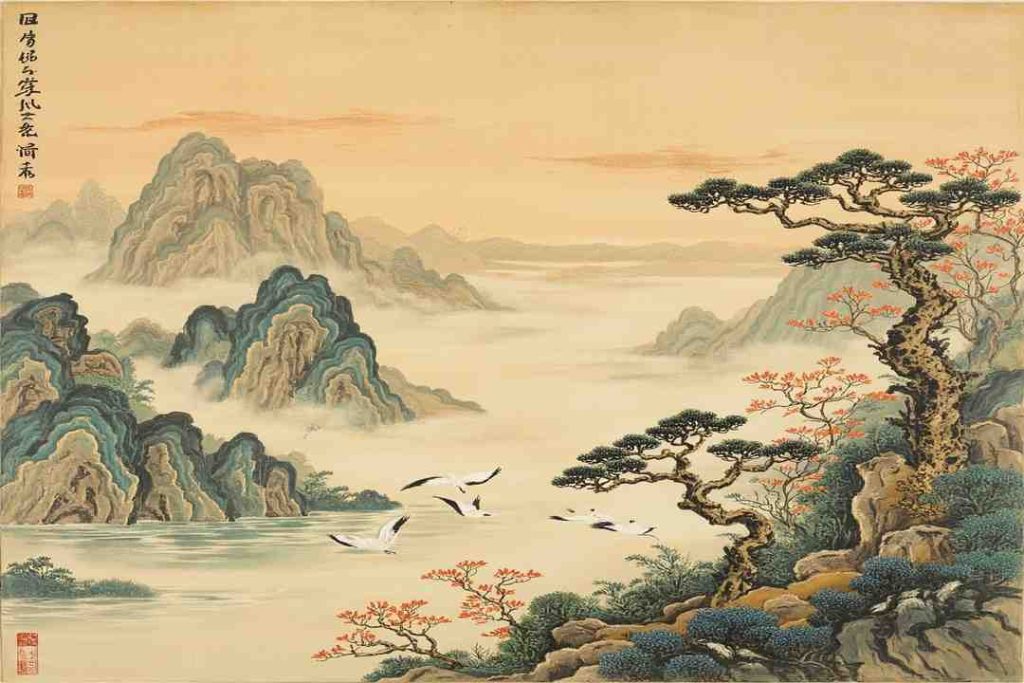
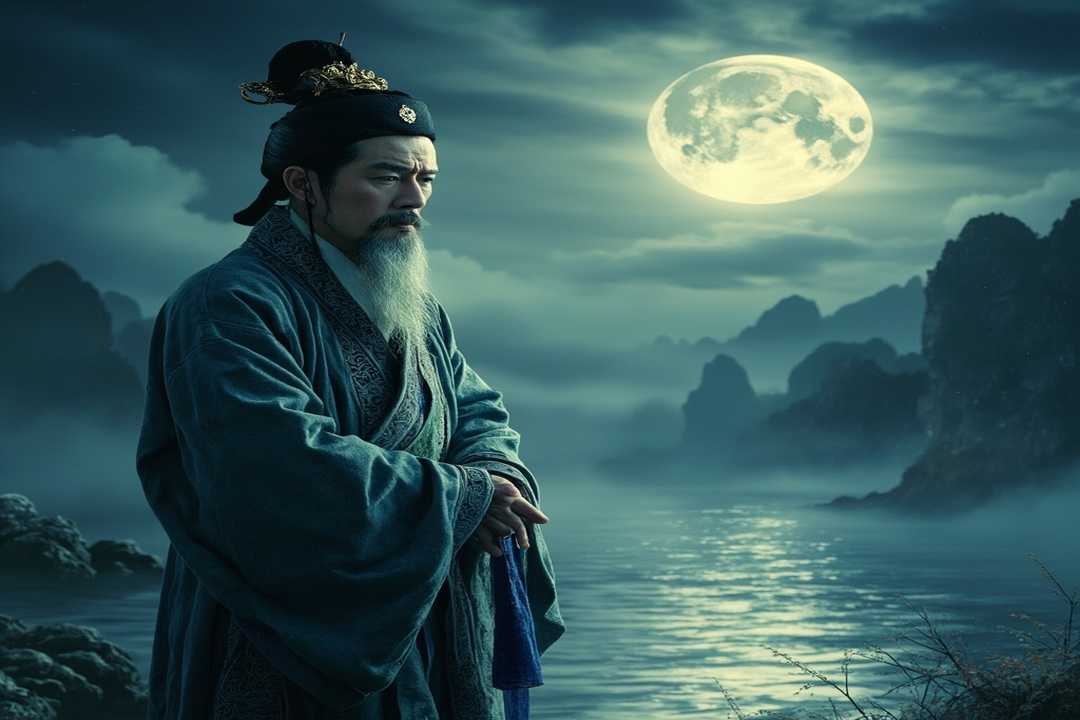
Tang dynasty poets are not just historical figures—they are the architects of classical Chinese poetry’s golden age, their verses weaving universal emotions into lyrical lines that have resonated for over a millennium, making them central to any exploration of Chinese literary heritage.
Quick Answer
Tang dynasty poets are best understood through both famous names and poetic roles: court poets, exile poets, frontier poets, Buddhist-influenced poets, and writers of landscape, friendship, and political feeling.
Basic Facts
| Topic | Tang dynasty poets |
|---|---|
| Best for | Readers learning major poets, themes, and historical context |
| Key point | Poets such as Li Bai, Du Fu, Wang Wei, and Bai Juyi represent different voices |
| Common mistake | Treating Tang poetry as one single style instead of a broad literary period |
Source note
Tang poetry covers a large historical period and many poetic schools. A poet list should introduce representative figures while leaving room for deeper reading by poem, theme, and historical setting. Source: Tang poetry background.
Related reading: Haiku comparison Wedding poem readings
What Tang Dynasty Poets Means in Chinese Poetry
Tang dynasty poets refer to the masterful writers of classical Chinese poetry who flourished between 618 and 907 CE, a period widely regarded as the peak of shi poetry—the dominant form of classical Chinese verse, characterized by strict tonal patterns and line lengths of 5 or 7 characters. Unlike earlier eras (such as the Han or Six Dynasties), Tang poets balanced technical precision with raw emotional depth, blending personal expression with enduring cultural values.
Their works are the backbone of Chinese poetry education: every Chinese schoolchild learns iconic lines from these poets, and their verses form the foundation of how the world understands classical Chinese literary art.
Historical and Cultural Background
The Tang dynasty’s prosperity laid the groundwork for its poetic golden age. A global crossroads, Chang’an (modern Xi’an)—the Tang capital—hosted merchants, monks, and scholars from across Eurasia via the Silk Road, bringing exotic ideas and broadening cultural horizons.
The imperial examination system (keju) further democratized poetic literacy: candidates for government service were required to compose poetry, making verse a skill valued by educated people from nobles to rural scholars. This era also saw the convergence of three major Chinese philosophical traditions: Taoist reverence for nature, Confucian ethics of social duty, and Buddhist mindfulness of impermanence, all of which shaped Tang poets’ themes.
The An Lushan rebellion (755–763), a devastating civil war that split the dynasty, marked a turning point: early Tang poetry celebrated imperial glory and leisure, while post-rebellion verses shifted to social realism, capturing grief, displacement, and the suffering of ordinary people.
Key Poems, Poets, or Examples
Three poets define Tang dynasty poetry, Tang Dynasty Poets each embodying the era’s diverse spirit. Li Bai (701–762), known as the “Poet Immortal,” wrote with wild, romantic abandon, often drawing on Taoist themes of freedom and the moon as a symbol of homesickness.
His iconic *Quiet Night Thought* (720 CE) is a 5-character quatrain:
Original Chinese: 床前明月光,疑是地上霜。举头望明月,低头思故乡。 Translation context: Written when Li Bai was traveling away from home, Tang Dynasty Poets its simplicity masks profound emotion.
It is taught to Chinese children at age six, translated into over 100 languages, and remains a global symbol of longing for home.
Du Fu (712–770), called the “Poet Sage,” mastered social realism, his verses echoing the pain of his times. His *Spring View* (757 CE) was written during the An Lushan rebellion, when Chang’an was under rebel control:
Original Chinese: 国破山河在,城春草木深。感时花溅泪,恨别鸟惊心。
Meaning: The nation is broken, but mountains and rivers remain; the city in spring is overgrown with grass and trees. Grieving the times, flowers seem to shed tears; sorrowing at parting, birds’ songs startle the heart.
Why it matters: It captures the dual sorrow of national collapse and personal separation, Tang Dynasty Poets a masterpiece of empathy that has made Du Fu a voice for the marginalized across centuries.
Wang Wei (701–761), the “Poet Painter,” merged poetry and visual art, his work infused with Buddhist meditative calm. His *Deer Park* is a quiet ode to nature’s subtle beauty:
Original Chinese: 空山不见人,但闻人语响。返景入深林,复照青苔上。
Meaning: In the empty mountains, no one is seen, only the sound of voices echoes. The setting sun’s light enters the deep forest, again shining on the moss.
This verse reflects Wang Wei’s belief in finding peace in stillness, Tang Dynasty Poets a core theme of Tang pastoral poetry.
How to Read and Understand It
For new learners of Tang poetry, these practical steps will deepen engagement:
- Start with short, Tang Dynasty Poets iconic works: *Quiet Night Thought* is ideal—its simple structure and universal theme of homesickness make it easy to grasp, even without deep cultural context.
- Learn core cultural symbols: Tang poets used recurring imagery: the moon = home, wine = companionship for loneliness, mountains = spiritual retreat, and fallen flowers = lost youth. Understanding these shortcuts unlocks layers of meaning.
- Pair original and faithful translations: Avoid overly literal or free translations that erase imagery; look for versions that preserve tonal rhythm (e.g., Tang Dynasty Poets 5 or 7 syllables per line in English) to capture the verse’s musicality.
- Read aloud: Tang poetry has strict tonal patterns (ping, or level, and ze, or oblique, tones) that create rhythm. Saying lines aloud helps feel the emotion—Li Bai’s verses have a bouncy, joyful cadence, while Du Fu’s are slow and somber.
- Research historical context for complex works: For *Spring View*, Tang Dynasty Poets learning about the An Lushan rebellion makes its sorrow tangible—Du Fu wrote it after being separated from his family for years, turning personal grief into a national lament.
Why It Still Matters Today
Tang dynasty poets remain relevant for three key reasons:
- Cultural identity: In China, Tang Dynasty Poets Tang poetry is a thread of collective memory—every generation shares these verses, linking modern Chinese people to their ancient heritage. Lines from *Quiet Night Thought* are shared on social media during the Mid-Autumn Festival, a holiday honoring family reunion.
- Global cross-cultural appeal: Translations of Tang poetry are studied in universities worldwide, introducing readers to Chinese aesthetic values: subtlety, balance, and the beauty of ordinary moments. They challenge Western notions of poetry as loud or confrontational, offering a quieter, more reflective alternative.
- Universal themes: The longing in *Quiet Night Thought*, Tang Dynasty Poets the grief in *Spring View*, and the peace in Wang Wei’s verses transcend time and borders. A student in New York or a teacher in Nairobi can connect with Li Bai’s loneliness, just as a Chinese teenager connects with it.
- Educational gateway: For learners of Chinese language and culture, Tang poetry is a playful way to build vocabulary and grammar. Memorizing lines like Wang Wei’s *Deer Park* helps students grasp character strokes and tonal pronunciation, while teaching them about history and philosophy.
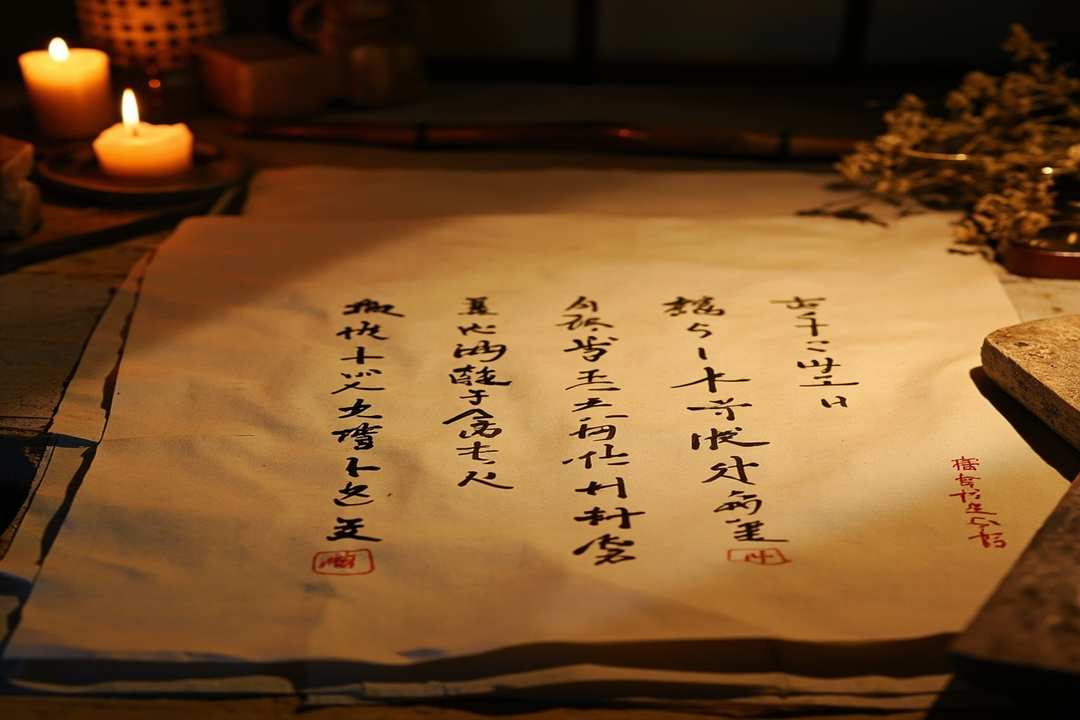
For readers who want a broader historical frame, the Tang dynasty poetry overview offers useful background on the period, major writers, and poetic forms.
More Tang Poetry Guides
Continue exploring related Chinese poetry topics:
Frequently Asked Questions
What is the meaning of tang dynasty poets?
Tang dynasty poets refers to the poets who composed poetry during the Tang Dynasty (618-907 CE) in ancient China, a period considered the golden age of Chinese poetry. These poets wrote in classical Chinese forms and their works are celebrated for their artistic excellence, emotional depth, and philosophical insights.
Who wrote tang dynasty poets and what is the historical context?
The most renowned Tang dynasty poets include Li Bai, Du Fu, Wang Wei, Bai Juyi, Li Shangyin, and Meng Haoran. The Tang Dynasty emerged after the Sui Dynasty and lasted nearly 300 years, marked by political stability, economic prosperity, and cosmopolitan culture that encouraged artistic expression and cultural exchange along the Silk Road.
What literary devices are used in tang dynasty poets?
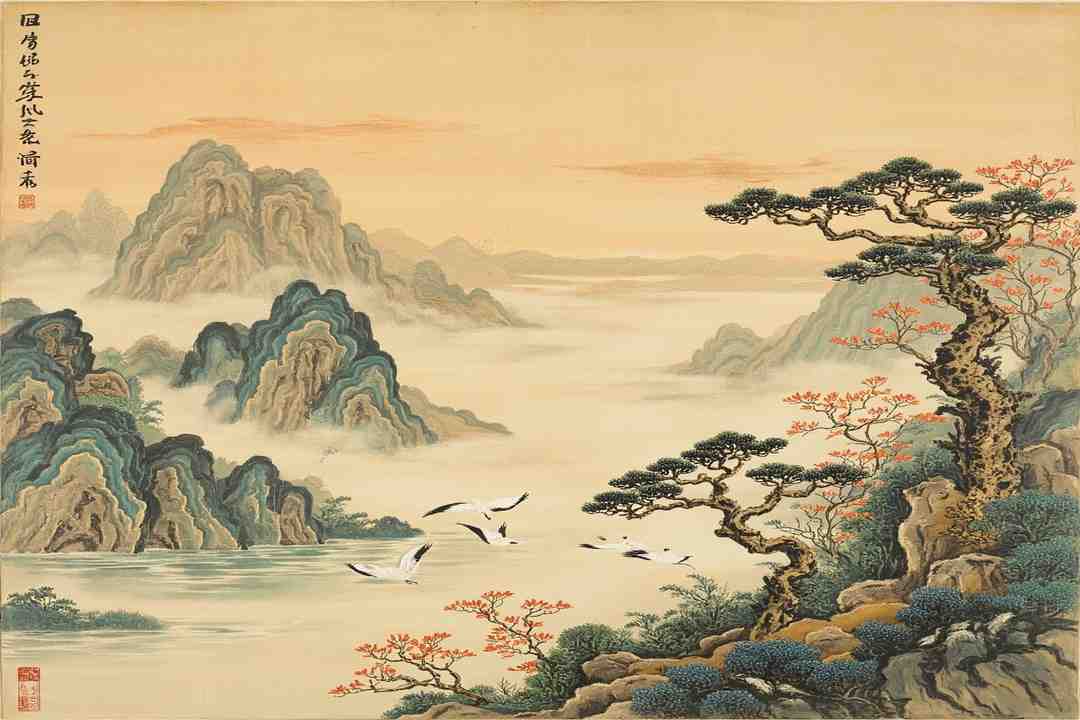
Tang poetry employs various literary devices including vivid imagery of nature, metaphor, symbolism, allusion to historical events and mythology, parallelism, tonal patterns, and careful word choice. Poets often used symbolism to convey deeper meanings, such as the moon representing nostalgia or cranes symbolizing longevity and transcendence.
What is the cultural significance of tang dynasty poets?
Tang dynasty poets profoundly influenced Chinese literary tradition and culture. Their works express core values of Confucianism, Buddhism, and Daoism, capture the era’s social dynamics, and remain central to Chinese education and aesthetics. Their poetry also spread to Korea, Japan, and Vietnam, shaping East Asian literary traditions.
How should tang dynasty poets be interpreted?
Tang poetry should be interpreted by considering the poet’s biographical context, historical circumstances, and the philosophical traditions they followed. Readers should pay attention to tonal patterns in the original Chinese, cultural references, symbolic imagery, and the interplay between nature and human emotion that characterizes much of Tang verse.