English poems by Chinese poets can include both English-language originals and translations of Chinese poems. Start with the credit attached to the particular text. A writer’s birthplace or family background can help you place their work, while the author and translator credits tell you how that English version reached the page.
Compare the credits before choosing a reading
| What you are reading | What to record | A useful next check |
|---|---|---|
| A poem published as the author’s English text | Poet, title and source collection | Read the publication credit below the poem |
| An English translation of a Chinese poem | Poet, original title and translator | Find the Chinese text and compare the same passage |
| A work by a poet who also translates | The role credited for this particular work | Keep the poet’s own collections and translation projects separate |
The distinction applies to individual works. A writer can publish poems and translate other writers. Before comparing two English texts, check whether they are different poems, different translations of one poem, or an original and a later revision.

Li-Young Lee: begin with a sensory scene
The Academy of American Poets records that Li-Young Lee was born in Jakarta to Chinese parents and later settled with his family in the United States. Its bibliography includes his collection Rose. Those facts give you biographical context as you begin an English-language reading. Li-Young Lee biography and bibliography
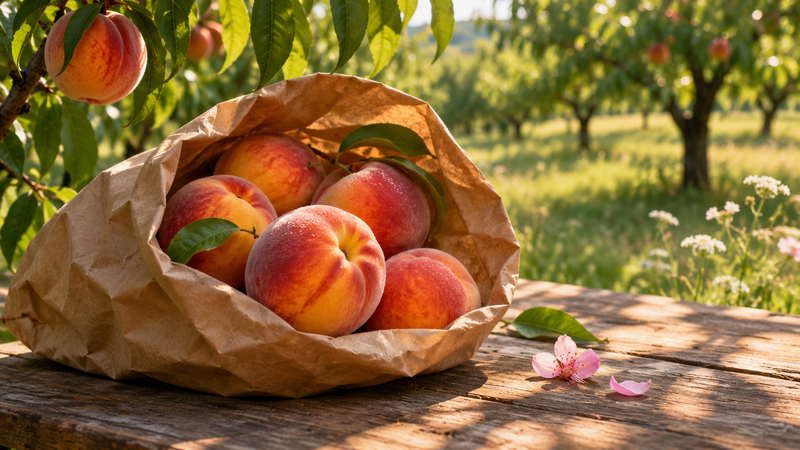
“From Blossoms” is a manageable starting point. The authorized page credits Lee and identifies Rose as the source. Read the movement from a bag of peaches toward a larger reflection on living. Notice when an ordinary object begins to carry more than its immediate physical meaning. Then return to the opening and follow the sensory details again. Read “From Blossoms” with its publication credit
Marilyn Chin: follow a name into the poem
Marilyn Chin was born in Hong Kong and raised in Portland, Oregon. Her Academy biography lists collections and other writing, giving you a route beyond any single poem. Keep that bibliography nearby if you want to read more after your first encounter. Marilyn Chin biography and bibliography
“How I Got that Name” makes naming a starting point for a voice moving through family and social identity. Its publication note identifies The Phoenix Gone, The Terrace Empty and credits Chin. As you read, note shifts in tone and in whom the speaker addresses. Treat the speaker’s account as part of the poem’s construction, and use a biography separately when you need a fact about the author. Read “How I Got that Name” with its publication credit

Record the role for each work
Lee’s biography also lists a co-translation of the Dao De Jing with Yun Wang. The same writer can therefore appear in your reading list as a poet and as a translator. Copy the credit for the work you have in front of you instead of assigning one role to everything a person publishes. Lee’s bibliography and translation credit
If you choose a translation of classical Chinese poetry, the English reading guide offers checks for lines, images and tone. The modern Chinese poet reading map gives a separate route into writers whose work you may encounter through credited translations. A useful reading note keeps the poem’s title, poet, language information, translator when supplied, and source edition together.
Frequently Asked Questions
Can a poet’s name tell me whether an English poem is a translation?
Check the publication credit for the individual poem. Record its author and any named translator, together with the source collection. A writer’s name or family background alone does not establish the original language.